What is Ethical Wildlife Tourism: How to Choose Responsible Safaris and Animal Encounters about?
A responsible travel guide to choosing wildlife experiences that prioritise conservation, animal welfare, trained guides, and community benefit.
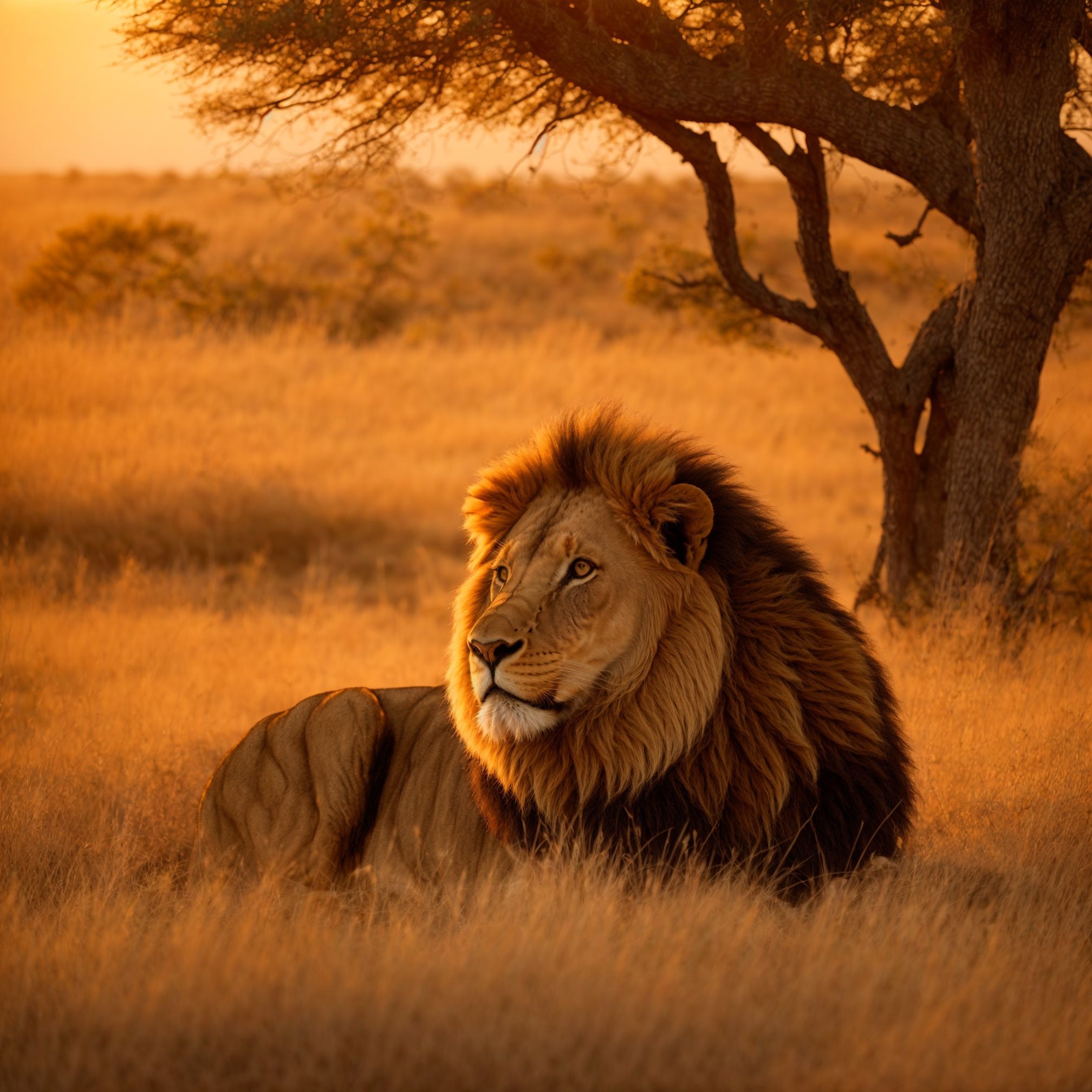
A responsible travel guide to choosing wildlife experiences that prioritise conservation, animal welfare, trained guides, and community benefit.
A responsible travel guide to choosing wildlife experiences that prioritise conservation, animal welfare, trained guides, and community benefit. Pori Africa covers this topic for travellers planning Zimbabwe, Zambia, and Botswana journeys from Victoria Falls.
Wildlife tourism can protect landscapes when it is done with discipline, transparency, and respect. It can also cause harm when animals are crowded, touched, baited, chased, or used as props. A responsible safari operator places welfare before photographs, keeps appropriate distance, follows park rules, uses trained guides, supports conservation fees, and explains animal behaviour honestly. In Zimbabwe, Botswana, and Zambia, the strongest wildlife experiences are usually the simplest: patient game drives, river safaris, walking safaris with qualified guides, hides near waterholes, and conservation visits that explain the work behind the scenes. Travellers should ask direct questions before booking: who owns the operation, how guides are trained, whether communities benefit, how animals are protected, and what rules govern close encounters. A good operator will welcome those questions.
A responsible travel guide to choosing wildlife experiences that prioritise conservation, animal welfare, trained guides, and community benefit.
Pori Africa uses local knowledge of Victoria Falls, Zimbabwe, Zambia, and Botswana to connect this guide with tours, special packages, transfers, safaris, and cultural experiences.