What is Shona Culture: Zimbabwe's Ancient Stone Builders and Living Traditions about?
The Shona are Zimbabwe's largest ethnic group, descendants of the Great Zimbabwe civilisation with a profound artistic and spiritual heritage.
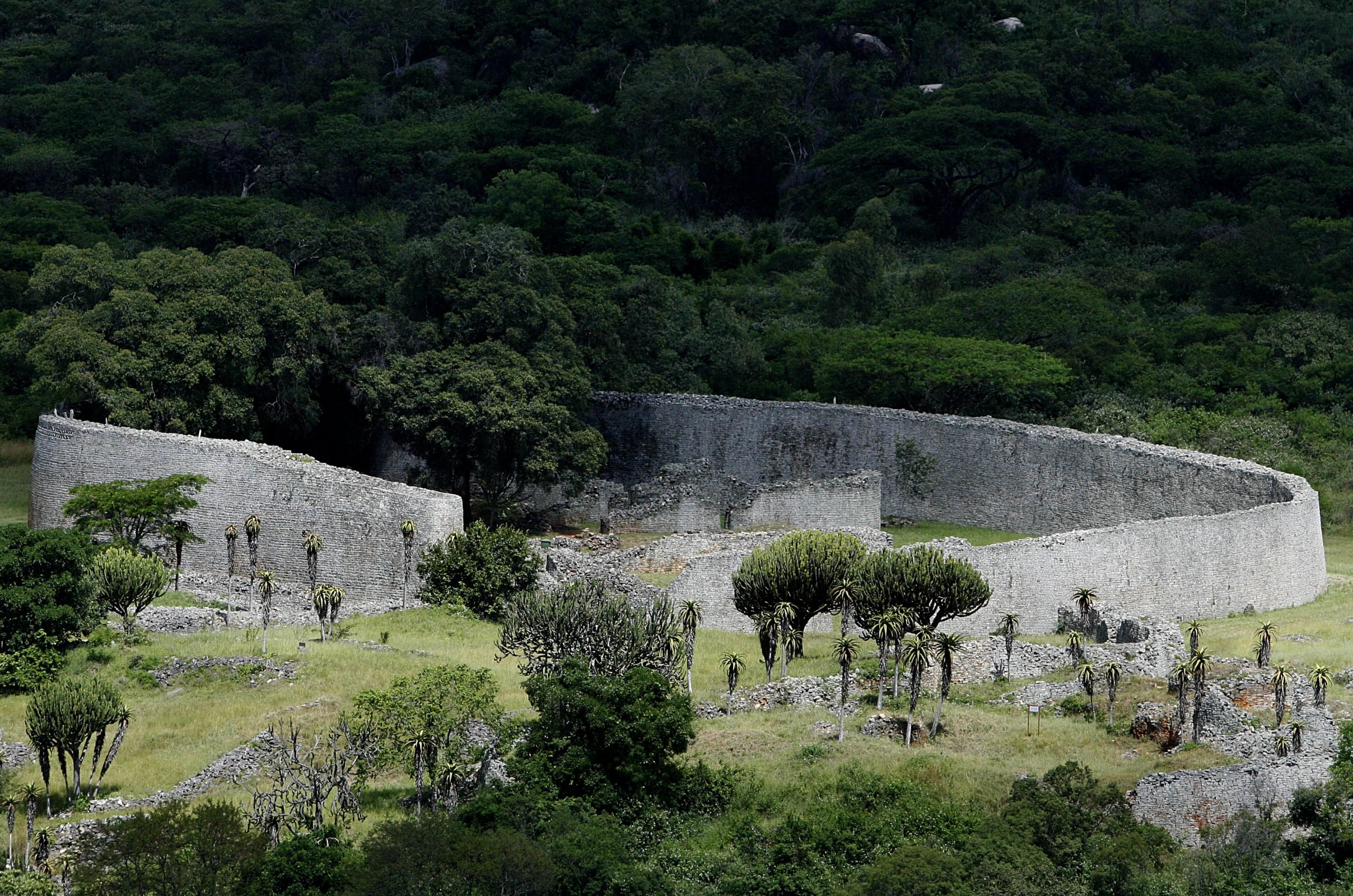
The Shona are Zimbabwe's largest ethnic group, descendants of the Great Zimbabwe civilisation with a profound artistic and spiritual heritage.
The Shona are Zimbabwe's largest ethnic group, descendants of the Great Zimbabwe civilisation with a profound artistic and spiritual heritage. Pori Africa covers this topic for travellers planning Zimbabwe, Zambia, and Botswana journeys from Victoria Falls.
The Shona people are Zimbabwe's largest ethnic group, comprising approximately 80 percent of the population. Their history stretches back to the medieval Kingdom of Zimbabwe, which built the monumental stone city of Great Zimbabwe between the 11th and 15th centuries. The name "Zimbabwe" itself comes from the Shona phrase "dzimba dzemabwe" — houses of stone. Shona culture is rich with spiritual traditions centred around Mwari (God), ancestor veneration, and the mbira — a thumb piano whose haunting melodies are central to Shona ceremony and storytelling. Shona stone sculpture is internationally acclaimed, with artists from Tengenenge and Chapungu villages exhibiting worldwide. The Shona language, chiShona, is the most widely spoken language in Zimbabwe alongside English and Ndebele. Visitors can experience Shona culture through village homestays, sculpture workshops, and attending a traditional bira (ceremony) with mbira music.
The Shona are Zimbabwe's largest ethnic group, descendants of the Great Zimbabwe civilisation with a profound artistic and spiritual heritage.
Pori Africa uses local knowledge of Victoria Falls, Zimbabwe, Zambia, and Botswana to connect this guide with tours, special packages, transfers, safaris, and cultural experiences.